
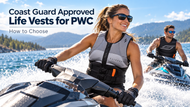
A Coast Guard-approved life vest isn't optional gear for jet skiing; it's the one piece of safety equipment that directly determines whether you stay afloat if you're thrown from the craft at speed, which happens far more often on a PWC than most first-time riders expect.
Choosing the right one means understanding what "Coast Guard approved" actually certifies, why PWC riders need a specific type rather than any life jacket pulled from a general boating bag, and how impact-rated vests differ from standard recreational ones.
Browse Perf-Moto's watercraft safety gear as you read through what actually matters for choosing the right vest.
Quick Takeaways
- PWC riders need a specific type of life vest, not just any Coast Guard-approved jacket. Type III is the standard most riders should be looking for.
- Inflatable life jackets are prohibited for PWC use in many states, since they take time to inflate that you don't have during a high-speed ejection into water.
- Impact-rated vests add real protection beyond flotation, using rigid foam construction built for the higher-speed falls common in PWC riding and racing.
- Fit matters as much as certification. A properly rated vest that's too loose can ride up over your head or fail to keep you face-up in the water.
- Buoyancy is tested and rated, not just assumed. Different vest types and sizes are rated for different amounts of lift.
What "Coast Guard Approved" Actually Means
A Coast Guard-approved life vest has been tested against specific U.S. Coast Guard standards for buoyancy, materials, and construction before it's legally allowed to be sold and used as a personal flotation device. That approval isn't a marketing label; it's a real certification tied to the vest actually performing as intended if you end up in the water.
For PWC riders specifically, Type III is the standard most commonly recommended. Type III vests are built for calm or inland water where fast rescue is likely, which describes most PWC riding environments, and they're specifically designed to let you move freely and swim while wearing one, unlike bulkier offshore-rated types built for different conditions entirely.
USCG Type III: Why It's the Right Choice for PWC
Type III vests balance two things that matter specifically for PWC riding: real buoyancy and genuine freedom of movement. You're actively steering, leaning, and shifting your weight while riding, and a vest that restricts that movement works against you rather than for you.
Perf-Moto's Slippery Surge Neo life vest is a real example built specifically to this standard: a U.S. Coast Guard-approved Type III PFD with two 1.5-inch adjustable belts and hidden back belts for a secure, snug fit, a heavy-duty front zipper, a D-ring for a lanyard connection, and a built-in safety whistle.
It's also sold in a women's version, since fit through the torso and shoulders genuinely differs between men's and women's builds, and a vest that doesn't sit correctly on your specific body shape doesn't protect you the way it's designed to.
Inflatable life jackets, by contrast, are explicitly prohibited for PWC use in several states, and for a specific reason: they need time to inflate after you hit the water, and that delay is exactly the window where a foam Type III vest is already doing its job the moment you're in the water.
Impact Vests: When You Need More Than Standard Flotation
Standard Type III vests prioritize comfort and flotation for everyday recreational riding. Impact vests take that same Coast Guard-approved foundation and add genuinely more rigid, compression-molded foam construction specifically built to absorb the force of a harder fall, common at racing speeds or aggressive riding where hitting the water isn't a gentle event.
Perf-Moto's Slippery Array Neo side-entry vest sits in this more performance-oriented category, with a full zip side opening for quick on-and-off, multiple hinged points built into the foam panels for flexibility despite the more rigid construction, and wide armholes that preserve a full range of motion for aggressive riding. If you're riding casually on calm water, a standard Type III vest covers what you need. If you're riding hard, racing, or hitting real wake and chop at speed, the added impact protection is worth the modest step up.
Fit and Buoyancy: Getting the Right Vest for Your Body
A Coast Guard-approved rating only means something if the vest actually fits correctly on your specific body. Adjustable belts, like the hidden back belts on the Surge Neo, let you dial in a snug fit rather than settling for a size that's technically correct on a chest-size chart but loose in practice.
The general fit check: with the vest fastened, you shouldn't be able to pull it up over your chin or ears when someone lifts from the shoulder straps. A vest that rides up that easily won't stay in place during an actual fall into water, which defeats the purpose of the buoyancy rating printed on the tag. Buoyancy itself is rated by weight range on the vest's label, so check that your body weight actually falls within the vest's rated range rather than assuming any adult-sized Type III vest works for any adult rider.
Frequently Asked Questions
What life vest do I need for a jet ski?
A U.S. Coast Guard-approved Type III personal flotation device, specifically rated for PWC use. Avoid inflatable life jackets, which are prohibited for PWC riding in many states since they take time to inflate after a high-speed fall into water, time you don't have in that specific scenario.
Is a Coast Guard-approved PWC vest required by law?
Yes, in essentially all U.S. states, PWC riders and passengers are legally required to wear a Coast Guard-approved life vest while operating or riding. Requirements around inflatable versus foam vests and specific type restrictions vary by state, so it's worth confirming your specific state's rules, but the baseline requirement to wear an approved vest at all is close to universal.
Can I use a regular life jacket instead of an impact vest?
For casual, calm-water riding, a standard Coast Guard-approved Type III vest is genuinely appropriate and doesn't need to be an impact-rated model. Impact vests earn their place specifically for racing or aggressive riding at higher speeds, where the added rigid foam construction addresses a real difference in fall force, not just marketing upsell.
How do I know if my life vest fits correctly?
With the vest fully fastened and adjusted, have someone gently pull up on the shoulder straps. If the vest rides up over your chin or ears easily, it's too loose, even if the size matched a chest measurement chart. Check the weight range printed on the vest's label too, since buoyancy rating is tied to body weight, not just chest size.
Flotation That Actually Fits How You Ride
A life vest only does its job if it's genuinely the right type, the right fit, and rated for how you actually ride, which is why Perf-Moto carries both standard Type III vests and impact-rated options rather than treating all PFDs as interchangeable. Getting this one right matters more than almost any other piece of gear on the water.
Not sure which vest type or fit is right for you? Ask the team, Monday through Friday, 9 am to 5 pm EST.
Shop Coast Guard-approved life vests and compare fit, buoyancy, and impact protection directly.